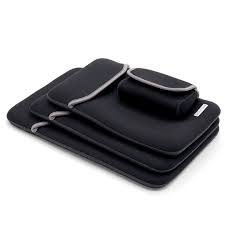
Choosing the right laptop bag involves more than selecting an attractive design. A suitable carrying case should protect the device, provide convenient storage, and remain comfortable during everyday transportation. Whether someone uses a laptop for professional work, education, business travel, or personal activities, the quality and functionality of the bag can influence how effectively the device is protected.
Neoprene has become a popular material for laptop bags because of its flexibility, lightweight construction, and cushioning properties. A well-designed Neoprene Laptop Bag can help protect a laptop from everyday scratches, minor impacts, and light moisture exposure. However, not all designs offer the same features. Understanding the essential characteristics before purchasing can help buyers select a product that matches their device and daily requirements.
1. Accurate Laptop Size and Compatibility
The first feature to consider is whether the bag fits the laptop correctly. Even a high-quality protective case may not provide the expected convenience if its dimensions are unsuitable.
Laptop screen sizes do not always reflect the actual external dimensions of devices. Different manufacturers use different designs, bezel sizes, and body thicknesses.
Before purchasing, measure:
- Width: The distance between the laptop’s left and right edges.
- Height: The distance from the bottom to the top of the device.
- Thickness: The depth of the laptop when closed.
Compare these measurements with the bag’s internal dimensions. A properly fitted sleeve should hold the laptop securely without making insertion and removal difficult.
2. High-Quality Neoprene Material
Material quality directly influences the durability, flexibility, and protective performance of a laptop bag.
Neoprene is a synthetic rubber material known for its soft texture, elasticity, and resistance to some environmental conditions. It is commonly used in protective accessories because it can provide cushioning while remaining relatively lightweight.
When evaluating material quality, consider:
- Consistent thickness throughout the bag.
- A smooth and comfortable surface.
- Reliable elasticity without excessive stretching.
- Resistance to everyday wear.
- Consistent material construction.
Choosing a well-made material can help maintain the bag’s functionality during regular use.
3. Appropriate Material Thickness
Neoprene thickness is another important feature because it affects cushioning, flexibility, and overall weight.
Thicker material generally provides more cushioning against minor impacts, while thinner material creates a slimmer and more compact sleeve.
The ideal thickness depends on how the laptop will be transported.
| Material Thickness | Main Characteristics | Suitable Users |
|---|---|---|
| Thin | Lightweight and flexible | People who carry laptops inside backpacks |
| Medium | Balanced cushioning and portability | Everyday office and educational use |
| Thick | More substantial cushioning | Frequent commuters and regular travelers |
Buyers should consider their protection requirements rather than automatically choosing the thickest available option.
4. Effective Cushioning and Impact Protection
A laptop bag should provide a protective layer between the device and surrounding objects. Neoprene naturally offers some cushioning because of its soft and compressible structure.
This can help reduce the effects of minor bumps that occur during daily transportation.
Some designs also include additional padding around the edges and corners. These reinforced areas can provide extra cushioning where laptops are more likely to experience direct contact.
However, basic neoprene sleeves are not substitutes for heavy-duty protective cases. Buyers who frequently work in demanding environments should consider additional structural protection.
5. Secure Zipper and Closure System
The closure system is an essential part of any laptop bag. A reliable zipper helps keep the laptop inside the sleeve and reduces the possibility of accidental slipping.
When examining the zipper, consider:
- Smooth opening and closing.
- Strong zipper teeth.
- Secure attachment to the fabric.
- Durable stitching around the opening.
- Sufficient clearance to prevent scratching the laptop.
Some designs use additional protective fabric around the zipper to reduce direct contact with the device.
A well-constructed closure improves everyday convenience and helps keep the laptop securely stored.
6. Soft Interior Lining
The interior surface of a laptop bag comes into direct contact with the device. Therefore, its texture and construction deserve careful attention.
A smooth interior lining can help reduce friction and prevent minor scratches during insertion, removal, and transportation.
Some bags use additional fabric layers to create a softer contact surface. Buyers should also check whether the interior contains loose threads, rough seams, or other details that could affect the laptop’s finish.
Keeping the interior clean is equally important because trapped dust and small particles may cause scratches.
7. Additional Storage Compartments
Many laptop users carry accessories alongside their devices. Chargers, USB drives, headphones, wireless mice, and cables are common everyday essentials.
A laptop bag with additional compartments can help organize these items and reduce the need for separate storage accessories.
Useful storage features may include:
- Dedicated pockets for charging adapters.
- Small sections for USB drives and memory cards.
- Compartments for headphones and cables.
- Space for notebooks and documents.
- Separate storage for smartphones or small accessories.
The number of compartments should match actual requirements. Too many pockets may increase bulk without providing meaningful benefits.
8. Lightweight and Portable Construction
Portability is especially important for students, office employees, and professionals who transport laptops regularly.
A heavy bag can become uncomfortable when combined with other daily belongings. Neoprene is generally lightweight, making it suitable for compact carrying cases.
Before choosing a product, consider whether it will be carried independently or placed inside a larger backpack or briefcase.
A slim sleeve is often sufficient for basic transportation, while a design with handles or shoulder straps may be more convenient for people who carry laptops separately.
9. Water-Resistant Properties
Unexpected rain and accidental spills can expose laptops to moisture. Neoprene naturally resists some water penetration, offering an additional protective characteristic.
However, buyers should distinguish between water resistance and waterproofing.
The material itself may resist light moisture, but seams, zippers, and openings can still allow water to enter. If protection against heavy rain is important, look for additional water-resistant construction and suitable closures.
10. Durable Stitching and Reinforced Edges
The overall construction of a laptop bag influences how well it performs during regular use.
Weak stitching can cause seams to separate, particularly when the bag is repeatedly stretched or overloaded. Reinforced corners and properly finished edges can improve structural durability.
Before purchasing, inspect:
- Seam consistency.
- Stitching strength.
- Corner reinforcement.
- Handle attachment points.
- Zipper connections.
- Overall finishing quality.
These details can help buyers identify products designed for regular transportation.
11. Practical Design and Appearance
Laptop bags are available in different colors, shapes, and finishes. Some users prefer simple sleeve designs, while others choose models with handles, shoulder straps, or additional compartments.
Professionals may prefer neutral colors and minimal styling for workplace environments. Students and casual users may choose more colorful designs that reflect their preferences.
Although appearance is important, it should be considered alongside fit, construction quality, and practical functionality.
12. Easy Cleaning and Maintenance
A laptop bag used frequently can accumulate dust, stains, and everyday dirt. Choosing a material that is relatively easy to clean can simplify long-term maintenance.
Neoprene can generally be cleaned using a soft cloth, mild soap, and water. However, users should avoid harsh chemicals, abrasive brushes, and excessive heat.
Before purchasing, check the manufacturer’s care instructions to understand whether the product requires any special cleaning methods.
13. Customization Options
Customization can be useful for businesses, organizations, and companies purchasing laptop bags in larger quantities.
Depending on the manufacturer and product design, available options may include:
- Custom colors.
- Printed logos and branding.
- Different dimensions.
- Additional pockets.
- Customized zipper designs.
- Specific material thicknesses.
These features can help businesses create laptop bags that meet particular functional or branding requirements.
Individual buyers should focus primarily on product quality and compatibility, while organizations may also consider customization capabilities.
Comparison of Essential Features
The following table summarizes the main features worth evaluating before purchasing a neoprene laptop bag.
| Feature | Why It Matters | What to Check |
|---|---|---|
| Laptop compatibility | Ensures a proper fit | Internal dimensions |
| Material quality | Influences durability | Consistency and flexibility |
| Material thickness | Affects cushioning | Suitable padding level |
| Interior lining | Helps prevent scratches | Smooth surface |
| Zipper quality | Supports secure storage | Reliable operation |
| Extra compartments | Improves organization | Storage capacity |
| Water resistance | Helps limit moisture exposure | Overall construction |
| Stitching | Supports long-term use | Reinforced seams |
| Portability | Makes transportation easier | Weight and design |
| Maintenance | Simplifies cleaning | Manufacturer instructions |
Common Mistakes to Avoid When Buying a Neoprene Laptop Bag
Even when buyers understand the main features, overlooking a few important details can lead to an unsuitable purchase.
Choosing the Wrong Size
Selecting a bag based only on laptop screen size can result in a poor fit. Always compare actual device measurements with internal bag dimensions.
Ignoring Construction Quality
A soft exterior does not automatically indicate a durable product. Examine stitching, zippers, and reinforced areas before making a decision.
Prioritizing Appearance Over Functionality
An attractive design may not provide sufficient storage or cushioning. Evaluate practical features before focusing on colors and patterns.
Assuming Every Bag Is Waterproof
Neoprene has natural moisture-resistant properties, but complete waterproof protection depends on the entire construction.
Overlooking Daily Storage Requirements
If you regularly carry chargers and other accessories, a simple sleeve without additional compartments may not be sufficient.
Conclusion
Choosing the right neoprene laptop bag requires careful attention to several features, including laptop compatibility, material quality, thickness, cushioning, zipper construction, and storage capacity. These characteristics influence how effectively a bag supports everyday transportation and protects electronic devices from minor damage.
Buyers should also consider portability, moisture resistance, maintenance requirements, and overall design before making a purchase. By comparing these essential features with their daily needs, students, professionals, and frequent travelers can select a practical laptop bag that offers a suitable balance of convenience, durability, and protection.