Building a swimming pool is a significant home improvement project, and understanding the potential costs can help homeowners make informed decisions. The final price depends on several factors, including pool size, construction materials, site conditions, equipment, and the features included in the design. Planning these details early can help prevent unexpected expenses and keep the project within budget.
A Custom Swimming Pool gives homeowners the flexibility to choose a design that fits their property, lifestyle, and financial priorities. However, customization can affect both the initial construction cost and long-term maintenance expenses. Comparing the available options before construction begins makes it easier to balance appearance, functionality, and affordability.
1. Pool Size and Shape
The dimensions and shape of a swimming pool are among the most important factors influencing its cost. Larger pools generally require more excavation, construction materials, plumbing, water treatment, and labor.
A simple rectangular pool may be more economical to construct than a design with multiple curves, unusual angles, or different depth levels. Complex shapes often require additional forming work and more detailed installation.
Homeowners should consider how they intend to use the pool before deciding on its dimensions. A compact pool may be sufficient for relaxation and family recreation, while a larger design may be necessary for swimming exercises or entertaining guests.
Choosing a practical size can reduce construction and operating costs without sacrificing the main purpose of the pool.
2. Construction Materials
The material used to build a swimming pool affects its installation price, durability, maintenance requirements, and appearance. Common options include concrete, fiberglass, and vinyl-lined construction, although availability and suitability vary by location.
Concrete Pools
Concrete pools offer considerable flexibility in shape, depth, and integrated features. They can accommodate custom steps, benches, tanning ledges, and other design elements.
However, construction typically involves several stages, including forming, reinforcement, concrete placement, finishing, and curing. This can increase labor requirements and extend the project timeline.
Concrete pools may also require periodic surface maintenance or resurfacing, depending on the finish and how well the pool is maintained.
Fiberglass Pools
Fiberglass pools are manufactured as prefabricated shells and installed in an excavated area. Because the shell is produced before delivery, the available shapes and dimensions depend on the manufacturer’s product range.
Installation can be faster than building a comparable concrete pool, provided site access and ground conditions are suitable. Transportation, crane access, excavation, and preparation of the supporting base can still affect the total price.
Vinyl-Lined Pools
Vinyl-lined pools can offer flexibility in dimensions and may have a lower initial construction cost than some alternatives. The supporting structure and liner system must be selected to suit the design and local conditions.
The liner may eventually need replacement, so homeowners should include this future expense when comparing lifetime ownership costs.
The best material depends on the available budget, preferred design, site conditions, and willingness to undertake future maintenance.
3. Excavation and Site Preparation
Before construction begins, contractors must assess the property and prepare the ground. The complexity of this work can significantly influence the project budget.
A flat, accessible backyard with suitable soil may require relatively straightforward excavation. A sloped site, rocky ground, limited machinery access, or a high water table can make preparation more complicated.
Additional work may include soil removal, retaining walls, drainage improvements, or ground stabilization. Existing trees, underground utilities, and nearby structures can also affect excavation plans.
Homeowners should request a site assessment before accepting a final quotation. This helps identify potential challenges early and reduces the risk of major cost adjustments during construction.
4. Labor and Installation Costs
Labor expenses depend on the construction method, project location, contractor experience, and complexity of the design. A pool that includes intricate finishes, custom steps, integrated seating, or extensive landscaping may require more specialized work.
The installation schedule can also influence costs. Weather delays, difficult site access, material delivery problems, and changes to the original design may extend the project timeline.
When comparing contractors, review the scope of work rather than choosing solely on the lowest quoted price. A detailed estimate should explain which construction stages, materials, equipment, and finishing tasks are included.
Clarifying responsibilities before signing an agreement can help prevent misunderstandings and unexpected charges later.
5. Pool Filtration and Circulation Equipment
Every swimming pool requires suitable circulation and filtration equipment to maintain water quality. The cost depends on the pool’s size, hydraulic design, treatment requirements, and selected equipment.
Typical components include:
- Pool pump: Moves water through the circulation and filtration system.
- Filter: Removes suspended particles from the water.
- Skimmers and drains: Help collect debris and support water movement.
- Pipes and valves: Connect the equipment and control water flow.
- Sanitization system: Helps control microorganisms and maintain suitable water conditions.
Energy-efficient equipment may cost more initially but can reduce electricity consumption over time. The right pump and filter should be sized for the pool rather than selected solely by price.
Homeowners should also account for installation, routine servicing, replacement parts, and eventual equipment upgrades.
6. Heating and Energy-Efficient Features
Heating systems, automated controls, and efficient circulation equipment can improve comfort but increase the initial investment.
Pool heaters vary in price depending on their type, capacity, fuel source, and installation requirements. Heat pumps may provide efficient operation in suitable climates, while gas heaters can offer rapid heating where the necessary fuel supply is available. Solar heating may reduce conventional energy use but depends on sunlight and system design.
Other efficiency-related features include variable-speed pumps, LED lighting, and pool covers. A cover can reduce evaporation and heat loss, while efficient pumps may lower electricity use when correctly sized and programmed.
The best approach is to compare initial equipment costs with projected operating expenses. A feature that reduces recurring costs may provide better value over the pool’s lifetime.
7. Interior Finishes and Decorative Features
The interior finish contributes to the pool’s appearance and can affect both construction costs and future maintenance.
Depending on the construction method, options may include plaster, aggregate finishes, tiles, or vinyl liners. Premium finishes and intricate tile patterns usually require more material, specialist labor, or additional installation time.
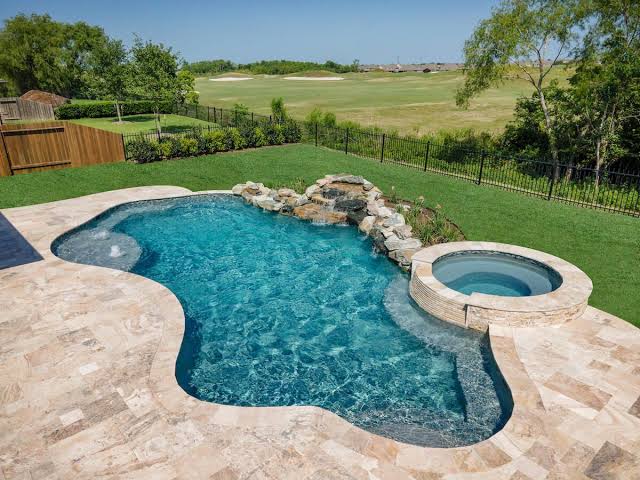
Decorative features can also increase the budget. Examples include waterfalls, fountains, infinity edges, built-in benches, tanning ledges, and customized lighting.
These additions should be selected according to their practical value as well as their visual appeal. Prioritizing a few useful features may deliver a more satisfying result than including every available upgrade.
8. Decking, Landscaping, and Outdoor Living Areas
The total cost of a pool project often extends beyond the pool itself. Surrounding decking, landscaping, fencing, outdoor showers, and seating areas can represent a substantial part of the overall investment.
Decking materials differ in price, durability, maintenance needs, and performance in hot or wet conditions. Options may include textured concrete, natural stone, outdoor porcelain paving, or other materials designed for exterior use.
Landscaping can create privacy and improve the appearance of the backyard, but large trees and dense planting should be positioned carefully to limit debris and root-related problems.
Homeowners should also budget for drainage, suitable non-slip surfaces, and safe pathways around the pool. These practical details can be more important than purely decorative additions.
9. Permits, Inspections, and Safety Requirements
Local regulations may require permits, inspections, fencing, approved gates, electrical protections, or other safety measures before a swimming pool can be used.
The applicable requirements depend on the property location and the type of pool being constructed. Some projects may also require engineering assessments, utility checks, or approvals related to drainage and property boundaries.
Safety-related costs should be treated as part of the essential project budget rather than optional upgrades. Appropriate barriers, secure access points, and compliant electrical installations help reduce hazards.
Before construction begins, confirm the relevant requirements with local authorities and your contractor. This can prevent delays and the expense of modifying completed work to meet regulations.
10. Water Supply and Drainage
Filling a new pool requires a suitable water source, and the cost depends on the pool’s capacity and local water charges. Some properties may need additional plumbing or arrangements for water delivery.
Drainage should also be considered during site planning. Rainwater and overflow must be managed so they do not damage nearby structures, create persistent standing water, or affect neighboring properties.
The pool’s circulation system may require specialized plumbing, and some sites may need additional drainage infrastructure or connections. These requirements can vary considerably depending on the design and existing services.
Ask the contractor to explain how filling, overflow, backwashing where applicable, and maintenance-related water discharge will be handled.
11. Maintenance and Long-Term Ownership Costs
The initial construction price is only one part of swimming pool ownership. Regular maintenance, utilities, and equipment replacement contribute to the total cost over time.
Common ongoing expenses include:
- Water testing and treatment chemicals.
- Electricity for pumps, filters, lighting, and heating.
- Water replacement due to evaporation, cleaning, and maintenance.
- Routine cleaning and professional servicing when needed.
- Repairs to plumbing, pumps, filters, and other equipment.
- Periodic resurfacing or liner replacement, depending on the pool type.
The amount spent each year depends on pool size, local utility rates, climate, equipment efficiency, and how frequently the pool is used.
A maintenance plan prepared before construction can help homeowners estimate recurring expenses and choose materials and systems that suit their budget.
12. How to Set a Realistic Swimming Pool Budget
Creating a clear budget before contacting contractors makes it easier to compare designs and avoid unnecessary spending.
Start by identifying the maximum amount available for the complete project. Include construction, excavation, equipment, finishing, safety features, and the surrounding outdoor area rather than budgeting for the pool structure alone.
Next, separate essential features from optional upgrades. Reliable filtration, safe access, appropriate drainage, and compliant barriers should take priority over decorative additions that can potentially be installed later.
Request detailed quotations from multiple qualified contractors and check whether each estimate includes similar work. A lower quotation may exclude important items that appear in a competing proposal.
It is also sensible to maintain a contingency allowance for unforeseen ground conditions, design changes, or other unexpected expenses. The appropriate allowance depends on the project’s complexity and the quality of the initial site assessment.
13. Questions to Ask Before Accepting a Quote
A detailed discussion with the contractor can help establish what the quoted price covers and what additional costs may arise.
Consider asking the following questions:
- Does the estimate include excavation, soil removal, and site preparation?
- Which construction materials, finishes, and equipment are included?
- Are permits, inspections, and required safety features covered?
- Does the price include decking, landscaping, and drainage?
- What circumstances could result in additional charges?
- What is the expected construction schedule?
- Which warranties apply to the structure, equipment, and workmanship?
- What maintenance tasks and future replacement costs should be expected?
Request written answers and ensure that significant changes to the design or budget are documented. Clear communication can make the construction process easier to manage.
Conclusion
The cost of a custom swimming pool depends on much more than its dimensions. Construction materials, excavation, labor, filtration equipment, heating, finishes, safety requirements, and surrounding landscaping all contribute to the final investment.
Homeowners can make more informed decisions by comparing construction methods, prioritizing practical features, and considering long-term operating expenses alongside the initial price. A detailed site assessment and transparent contractor quotations also help reduce uncertainty.
With realistic budgeting and careful planning, it is possible to design a swimming pool that suits the property, supports everyday use, and delivers lasting value without unnecessary expenditure.