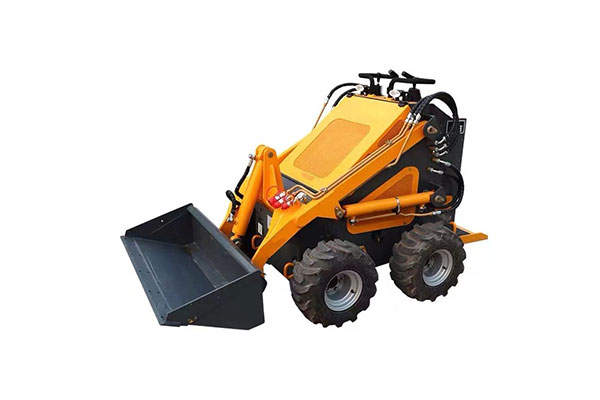
Choosing the right skid steer can make a significant difference in job-site productivity, operating expenses, and equipment reliability. Traditional diesel-powered skid steers have long been used in construction, agriculture, landscaping, and material handling. However, electric models are becoming an alternative for businesses looking to reduce local emissions, minimize operating noise, and simplify certain maintenance tasks.
When comparing an Electric Skid Steer with a traditional diesel-powered machine, the best choice depends on the work environment, daily operating hours, charging or refueling access, and the type of tasks being performed. Understanding the advantages and limitations of each option can help contractors and equipment managers make a practical investment.
1. Understanding Electric and Traditional Skid Steers
Both electric and traditional skid steers are compact machines designed to move materials, lift loads, grade surfaces, and operate a wide range of attachments. Their primary difference lies in how they generate and deliver power.
An electric skid steer uses a rechargeable battery to supply electricity to its drive motors and other powered systems. Depending on its design, electric motors may also operate hydraulic pumps that provide power for lifting, tilting, and auxiliary attachments.
A traditional skid steer typically uses a diesel engine to generate mechanical power. The engine drives the machine’s propulsion system and powers hydraulic equipment through a mechanical or hydraulic arrangement.
Although their power systems differ, both types can perform similar tasks when their operating capacity, hydraulic flow, attachment compatibility, and configuration meet the job’s requirements.
2. Performance and Productivity
Performance is one of the most important factors when selecting compact equipment. Contractors need a machine that can handle expected loads, work efficiently, and maintain consistent productivity throughout the shift.
Electric skid steers can provide responsive power delivery and strong low-speed torque, depending on motor design and control settings. These characteristics can be helpful when maneuvering in confined spaces, moving materials, or carrying out repeated loading operations.
Diesel skid steers are well established in demanding construction environments. They can be suitable for long shifts, heavy-duty applications, and jobs where fuel can be supplied easily throughout the day.
Neither power source automatically guarantees better productivity. Rated operating capacity, tipping load, travel speed, hydraulic flow, attachment performance, and operator skill all influence output. Buyers should compare specifications for machines in the same operating class and evaluate them against actual job requirements.
3. Operating Costs: Electricity vs. Diesel
Energy expenses can have a considerable effect on the total cost of operating a skid steer. Electric models use electricity to recharge their batteries, while diesel models require fuel to run the engine.
Electricity may cost less per unit of useful work in some locations, particularly when charging takes place at a commercial rate that is favorable compared with local diesel prices. Electric models may also avoid engine oil changes, fuel-filter replacements, and some other engine-related service expenses.
Diesel equipment, however, can be more convenient where refueling is readily available and machines must operate for extended periods without stopping to recharge. Its total energy cost depends on fuel prices, engine efficiency, workload, and hours of use.
To compare operating costs accurately, businesses should calculate the energy required for a typical shift rather than relying only on advertised consumption figures.
Consider the following expenses:
- Electricity or diesel consumption per working hour.
- Routine maintenance and replacement parts.
- Battery-related costs over the equipment’s service life.
- Charging equipment and electrical installation.
- Downtime associated with refueling, charging, and servicing.
- Labor costs and productivity during the working shift.
A machine with a higher purchase price may still offer a competitive total cost of ownership if its energy and maintenance savings are substantial over time.
4. Maintenance Requirements
Maintenance is another important difference between electric and diesel-powered skid steers. Electric models generally have fewer engine-related service requirements because they do not use a conventional internal combustion engine.
For example, an electric model does not require diesel engine oil changes, engine air-filter servicing, or fuel-filter replacement. Its maintenance schedule still includes inspections of the battery system, electric motors, electrical connections, cooling components, hydraulics, tires or tracks, and structural parts.
Traditional diesel skid steers require maintenance for the engine and fuel system in addition to the hydraulic and mechanical components shared by both machine types. Depending on the model and emissions system, servicing may also involve exhaust-treatment components.
Electric machines are not maintenance-free. Battery health, electrical safety, hydraulic condition, and the availability of qualified technicians remain important considerations. Buyers should review the manufacturer’s maintenance schedule and local service support before making a decision.
5. Noise and Working Environment
Noise can affect operator comfort, communication, nearby workers, and the suitability of equipment for particular locations.
Electric skid steers are generally quieter than comparable diesel machines because they do not have the same engine combustion and exhaust noise. This can make them attractive for indoor construction, warehouses, enclosed facilities, and work near occupied buildings.
Traditional diesel skid steers usually produce more operating noise, although actual sound levels vary according to engine design, machine condition, workload, and distance from the equipment.
Quieter operation does not mean an electric machine is silent. Hydraulic pumps, tires, tracks, attachments, alarms, and contact with materials can still create substantial noise. Operators must continue to follow workplace safety procedures and remain aware of people and obstacles around the machine.
6. Emissions and Environmental Considerations
Electric skid steers produce no exhaust emissions at the point of operation. This can be especially beneficial in enclosed or partially enclosed work areas where diesel exhaust requires careful ventilation and control.
Diesel skid steers produce exhaust emissions while running. Modern engines and emissions-control systems can reduce pollutants, but they do not eliminate tailpipe emissions.
The broader environmental impact of an electric machine depends partly on how the electricity is generated, battery manufacturing, equipment lifespan, and end-of-life battery management. Therefore, electric equipment is not automatically emissions-free across its entire life cycle.
For businesses working toward environmental targets, the local operating environment is an important starting point. Electric machines can reduce direct emissions at the job site and may support sustainability goals when combined with an appropriate electricity supply and responsible battery management.
7. Battery Life and Continuous Operating Time
Operating duration is a major consideration when deciding between electric and diesel equipment. Diesel machines can typically continue working as long as fuel is available and the equipment is functioning properly. Refueling can often be completed relatively quickly, which is useful for operations with long or unpredictable shifts.
Electric skid steers operate according to their usable battery capacity and energy consumption. Heavy lifting, continuous hydraulic attachment use, frequent acceleration, difficult terrain, and low temperatures can affect the amount of work completed between charges.
Charging time depends on battery capacity, charger output, charging limits, and the battery’s current state of charge. Businesses that use electric equipment should plan charging around work schedules and confirm that the site’s electrical infrastructure supports the required charging method.
Before purchasing, estimate the machine’s typical daily workload and determine whether one charge can cover the shift. If not, consider opportunities for scheduled charging, additional machines, or other operational arrangements.
8. Indoor and Outdoor Applications
The work environment can strongly influence which skid steer is the better choice.
Electric skid steers are often well suited to:
- Indoor renovation and construction projects.
- Warehouses and distribution centers.
- Agricultural buildings and enclosed facilities.
- Work near offices, homes, or other noise-sensitive locations.
- Sites where reducing local exhaust emissions is a priority.
Diesel skid steers may be preferable for:
- Remote construction projects with limited charging access.
- Long shifts that require quick refueling.
- Worksites where electrical infrastructure is unavailable or insufficient.
- Operations with demanding schedules and unpredictable equipment use.
Both machine types can be used outdoors when properly configured for the task. Terrain, weather protection, traction, ground clearance, and attachment requirements should be assessed alongside the power source.
9. Attachment Compatibility and Hydraulic Power
Skid steers are valued for their ability to use different attachments, allowing one machine to perform multiple jobs. Common options include buckets, pallet forks, augers, trenchers, sweepers, and grading tools.
When comparing electric and diesel models, buyers should examine the hydraulic flow rate, operating pressure, rated capacity, attachment interface, and auxiliary hydraulic connections. Some tools require high hydraulic flow or sustained power, which can influence energy consumption and overall productivity.
Electric machines may be compatible with many of the same attachment categories as diesel models, but compatibility should never be assumed solely because the equipment uses a standard-looking mounting system.
Check the attachment manufacturer’s requirements and the skid steer’s operating manual before use. Confirm that the machine can provide the required hydraulic performance and that the combined machine-and-attachment setup remains within the permitted operating limits.
10. Purchase Price and Long-Term Value
The initial purchase price is only one part of an equipment investment. Depending on the model, battery technology, capacity, and market, an electric skid steer may cost more upfront than a comparable diesel machine. Charging infrastructure can also add to the initial expenditure.
Over time, lower energy expenses and reduced engine-related maintenance may help offset some of the difference. However, the result depends on annual operating hours, electricity and diesel prices, maintenance costs, financing, battery replacement considerations, and resale value.
Diesel equipment may offer a more practical financial choice for businesses with limited operating hours or sites where charging would be difficult. Electric models may become more attractive when they are used frequently in suitable environments and can benefit from predictable charging schedules.
A useful comparison is to calculate the total cost of ownership over the expected service period. Include purchase price, financing, energy, maintenance, downtime, infrastructure, and eventual resale value rather than comparing upfront prices alone.
11. How to Choose the Right Skid Steer for Your Job
Before selecting a machine, assess the work it will perform and the conditions in which it will operate. A structured evaluation can help prevent buying equipment that is either unsuitable for the job or more expensive to operate than necessary.
Use the following checklist:
- Define the workload: Estimate daily operating hours, expected loads, and the frequency of lifting, travel, and attachment use.
- Check the work environment: Determine whether the machine will operate indoors, outdoors, near occupied buildings, or in remote locations.
- Compare capacity and performance: Review rated operating capacity, tipping load, dimensions, travel speed, and hydraulic specifications.
- Assess energy access: Confirm the availability and cost of electricity or diesel, along with charging or refueling logistics.
- Evaluate maintenance support: Check parts availability, warranty coverage, technician expertise, and service intervals.
- Calculate ownership costs: Estimate expenses over the expected equipment life, including energy, repairs, infrastructure, and downtime.
- Arrange a practical evaluation: Where possible, test the machine under representative working conditions and confirm that operators can use it safely.
These steps help ensure the decision reflects actual operating needs instead of relying on general claims about one technology being superior.
Conclusion
An electric skid steer and a traditional diesel skid steer can both deliver valuable performance across construction, agriculture, landscaping, and material-handling applications. Electric models offer advantages in local emissions, operating noise, and engine-related maintenance, while diesel models can provide practical benefits for long shifts, rapid refueling, and remote worksites without reliable charging access.
The better option depends on the machine’s workload, operating environment, available infrastructure, hydraulic requirements, and total ownership costs. By comparing these factors carefully, businesses can choose equipment that supports productivity, safety, and long-term operational value.