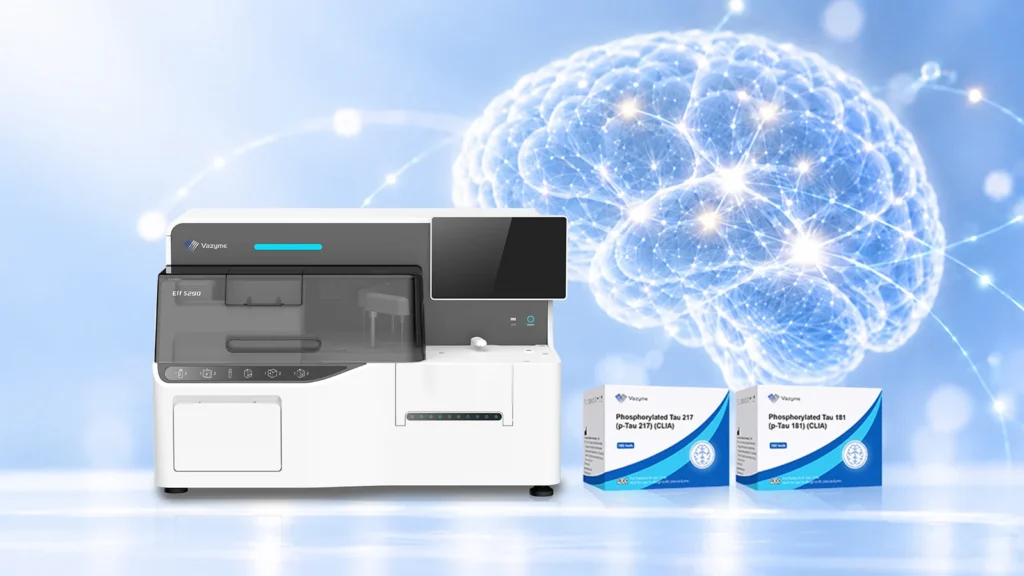
Modern diagnostic laboratories depend on analytical technologies that deliver reliable measurements, efficient sample processing, and consistent testing performance. Chemiluminescence technology has become an important part of laboratory medicine because it can support sensitive detection of biological substances across a wide range of applications. From hormone analysis and infectious disease testing to cardiac biomarkers and neurological research, chemiluminescence-based systems help laboratories investigate clinically relevant biological processes.
A Chemiluminescence Analyzer is a laboratory instrument that measures light generated by a chemical reaction to determine the presence or concentration of a target substance. When integrated with immunoassay methods, this technology can support automated testing, reproducible workflows, and the measurement of selected analytes at low concentrations. Understanding its working principles, applications, and practical benefits helps laboratories evaluate whether a chemiluminescence-based platform fits their testing requirements.
What Is a Chemiluminescence Analyzer?
A chemiluminescence analyzer measures light produced during a chemical reaction. Unlike detection methods that require an external light source to excite a fluorescent label, chemiluminescence generates light through a chemical process.
In clinical laboratories, this technology is frequently incorporated into chemiluminescence immunoassays, which use specific interactions between antibodies and target molecules to identify and measure analytes in biological samples.
Depending on the instrument, the analyzer may automate sample handling, reagent dispensing, incubation, washing, signal detection, and result calculation. The degree of automation and the range of supported tests vary between platforms.
Chemiluminescence analyzers are used in hospital laboratories, diagnostic centers, research institutions, and specialized testing facilities. Their suitability depends on analytical performance, assay availability, workflow requirements, and the intended use of the tests.
How Chemiluminescence Technology Works
Chemiluminescence testing involves several coordinated steps that convert a chemical reaction into a measurable signal. In immunoassay applications, the signal is associated with a reaction designed to detect a specific biological target.
1. Sample Preparation and Loading
The process begins with a suitable biological specimen, commonly serum or plasma for many clinical assays. The specimen must be collected, handled, and prepared according to the assay instructions.
The sample is then loaded into the analyzer, either manually or through an automated sample-handling system. Correct sample identification and appropriate handling are essential for obtaining reliable results.
2. Immunochemical Reaction
The analyzer combines the sample with reagents containing antibodies or other components designed to recognize the target analyte.
When the target is present, it participates in a specific binding reaction. Depending on the assay format, the target may be captured by an antibody, detected using a labeled reagent, or measured through a competitive reaction.
The precise reaction design depends on the analyte and the method used.
3. Separation and Washing
Some chemiluminescence immunoassays include washing or separation steps to remove unbound substances and reduce background signal.
Automated systems can perform these steps according to predefined protocols, helping standardize the procedure and reduce manual handling.
4. Light Signal Generation
A chemical reaction generates light through the assay’s detection system. The amount of light produced is measured by the analyzer and interpreted according to the assay’s established measurement principle.
The relationship between signal intensity and analyte concentration depends on the assay design. Some methods produce a signal that increases with analyte concentration, while competitive formats may produce an inverse relationship.
5. Signal Measurement and Result Calculation
The analyzer detects the emitted light using an appropriate optical detection system. It then processes the signal and applies the assay’s calibration relationship to calculate the result.
Results may be reported as quantitative measurements or qualitative findings, depending on the test. Laboratory personnel review results according to established quality-control and reporting procedures before they are released.
Main Types of Chemiluminescence Immunoassay Systems
Chemiluminescence technology can be implemented through different assay designs and detection approaches. Understanding these differences helps laboratories compare available platforms.
Direct Chemiluminescence
In direct chemiluminescence, a labeled compound participates in a chemical reaction that produces light. The label and reaction system are selected according to the assay design.
This approach can support sensitive detection when the reagents, reaction conditions, and instrument are appropriately optimized.
Enzyme-Mediated Chemiluminescence
Enzyme-mediated systems use an enzyme to catalyze a reaction that generates light. The signal is associated with the activity of the enzyme-linked detection system.
The method can be adapted to different immunoassay formats, but its performance depends on reagent stability, reaction conditions, and the characteristics of the target assay.
Automated Chemiluminescence Immunoassay Platforms
Automated platforms combine chemiluminescence detection with instrument-controlled sample processing and assay procedures. Depending on the model, they may support automated reagent handling, incubation, washing, calibration, and result calculation.
Automation can improve workflow consistency, although laboratories must still follow appropriate maintenance, quality-control, and operating procedures.
Major Applications of Chemiluminescence Analyzers
Chemiluminescence analyzers support a wide range of clinical and research applications. The available tests depend on the instrument, assay menu, and applicable regulatory status.
Hormone and Endocrine Testing
Hormone measurements are important for evaluating endocrine function and investigating conditions involving the thyroid, reproductive system, adrenal glands, and other hormone-producing organs.
Chemiluminescence immunoassays can measure selected hormones in suitable biological specimens. Reliable interpretation requires appropriate assay selection, calibration, and consideration of potential analytical interference.
Infectious Disease Testing
Chemiluminescence-based immunoassays can detect selected antigens and antibodies associated with infectious diseases.
Depending on the test, results may provide evidence of infection, exposure, or an immune response. Interpretation depends on the target being measured, the timing of specimen collection, and the assay’s performance characteristics.
Cardiac Biomarker Analysis
Selected cardiac biomarkers can help healthcare professionals evaluate patients with suspected cardiovascular conditions. Chemiluminescence platforms may be used to measure these markers when the relevant assays are available and appropriate for the intended application.
Because cardiac testing may influence urgent clinical decisions, laboratories need validated methods, suitable quality-control procedures, and appropriate result-reporting practices.
Tumor Marker Testing
Some chemiluminescence immunoassays measure substances associated with specific cancers or used to monitor selected patients.
Tumor marker results must be interpreted alongside clinical information and other diagnostic findings. An abnormal result does not independently establish a cancer diagnosis, and a result within the reference range does not always exclude disease.
Neurological Biomarker Research
Research into neurological conditions has increased interest in measuring biomarkers associated with neuronal injury and disease-related biological changes.
In Alzheimer’s disease research, scientists investigate amyloid-beta, phosphorylated tau, and other markers that may contribute to understanding disease pathology. Chemiluminescence methods may support the measurement of selected targets when the assay provides appropriate analytical sensitivity and validation.
Not every chemiluminescence platform supports these biomarkers. Laboratories should verify assay availability, specimen requirements, analytical performance, and intended use before incorporating a method into a study or diagnostic workflow.
Autoimmune Disease Testing
Selected immunoassays can detect antibodies and other markers associated with autoimmune conditions. These measurements can support diagnostic investigations when interpreted in conjunction with symptoms, medical history, and other laboratory findings.
The appropriate test depends on the suspected condition and the clinical question being investigated.
Key Benefits of Chemiluminescence Analyzers
Chemiluminescence-based platforms offer several potential benefits for laboratories, provided that the selected instrument and assays meet the required performance standards.
High Analytical Sensitivity
Chemiluminescence methods can be designed to detect low concentrations of specific analytes. This can be valuable when target substances are present in small amounts or when relatively small concentration differences matter.
However, analytical sensitivity varies between assays and platforms. Laboratories should evaluate detection limits and other performance characteristics for each test rather than assuming all chemiluminescence systems offer equivalent capabilities.
Efficient Laboratory Workflows
Automated analyzers can reduce repetitive manual tasks by controlling sample processing, reagent handling, incubation, signal measurement, and result calculation.
This can help laboratories manage testing demand and reduce hands-on work. The practical benefit depends on the instrument’s automation level, assay design, and integration with existing procedures.
Consistent Analytical Procedures
Instrument-controlled testing can standardize specific steps and reduce some sources of operator-related variation. When combined with suitable calibration and quality-control practices, this may support consistent results.
Automation does not eliminate all sources of error. Sample quality, reagent handling, maintenance, calibration, and assay-specific limitations remain important.
Broad Assay Potential
Chemiluminescence technology can be applied to different analytes and assay formats. Some platforms offer broad test menus that allow laboratories to consolidate multiple applications on one instrument.
The actual range of supported tests depends on the manufacturer’s assay portfolio and the regulatory status of each product.
Faster Result Processing
Automated sample handling and signal measurement may reduce hands-on processing time and help laboratories meet turnaround-time targets.
Total turnaround time also depends on specimen transport, assay incubation, workload, quality-control checks, and result verification. Laboratories should assess realistic performance rather than relying only on maximum throughput figures.
Potential Operational Cost Savings
Appropriate automation may improve staff efficiency and reduce certain forms of manual workload. However, the financial value of an analyzer depends on the total cost of ownership.
Purchase price, reagents, consumables, calibration, maintenance, software, training, and downtime should all be considered when evaluating long-term costs.
Factors to Consider When Selecting a Chemiluminescence Analyzer
Choosing a suitable analyzer requires matching its capabilities to the laboratory’s testing needs and operational constraints.
Analytical Performance
Review precision, sensitivity, specificity, measurement range, and potential interference for the assays the laboratory intends to use.
Ask for assay-specific documentation and verify that the available evidence supports the intended clinical or research application.
Throughput and Sample Capacity
Evaluate average daily testing volume, peak demand, sample-loading options, and turnaround-time requirements.
A high-volume facility may need continuous loading and greater automation, while a smaller laboratory may prioritize a compact design and lower operating costs.
Assay Menu and Reagent Availability
Confirm that the platform supports required tests and that compatible reagents, calibrators, and controls are reliably available.
Consider reagent storage conditions, shelf life, packaging, and delivery arrangements because these factors affect operating costs and testing continuity.
Ease of Operation and Maintenance
Assess the user interface, training requirements, cleaning procedures, maintenance schedule, and access to technical assistance.
A system that is straightforward to operate and maintain may reduce avoidable workflow interruptions.
Regulatory Documentation
Verify the applicable product documentation and regulatory status for the analyzer and its assays. Requirements vary by jurisdiction and intended use.
Research-use-only products should not be assumed suitable for clinical decision-making without appropriate validation and authorization.
Total Cost of Ownership
Compare the initial purchase price with recurring costs, including reagents, consumables, maintenance, software, training, and potential downtime.
A comprehensive cost comparison can reveal differences that are not apparent from the initial quotation.
Quality Control and Maintenance Practices
Consistent instrument performance requires effective quality management throughout the analyzer’s working life.
Calibration
Calibration establishes the relationship between the measured signal and the result reported by the assay. Laboratories should follow the manufacturer’s instructions and applicable assay requirements.
Calibration schedules and procedures vary according to the instrument, reagents, and testing method.
Quality-Control Testing
Quality-control materials help laboratories monitor analytical performance and identify potential problems before results are released.
Laboratories should establish appropriate acceptance criteria, investigate unexpected results, and document corrective actions according to their quality-management procedures.
Preventive Maintenance
Routine maintenance helps preserve instrument performance and reduce avoidable failures. Depending on the system, maintenance may involve cleaning, inspection, replacement of specified consumables, and service checks.
Laboratories should follow the manufacturer’s recommended schedule and use qualified technical support for procedures that require specialized expertise.
Staff Training and Documentation
Personnel should understand sample handling, reagent preparation, instrument operation, calibration, quality control, and troubleshooting.
Maintaining records of maintenance, quality-control results, error messages, and corrective actions supports traceability and helps identify recurring problems.
Future Developments in Chemiluminescence Technology
Chemiluminescence technology continues to evolve alongside advances in immunochemistry, automation, and laboratory data management.
Potential developments include more sensitive detection systems, expanded assay menus, improved reagent stability, and better integration with laboratory information systems. Researchers are also exploring methods for measuring emerging biomarkers that may help characterize complex diseases.
For these advances to provide practical value, new assays and platforms must demonstrate appropriate analytical performance, reproducibility, and suitability for their intended applications.
Laboratories should balance interest in new capabilities with careful evaluation of technical evidence, regulatory requirements, and long-term operating needs.
Conclusion
Chemiluminescence analyzers are important tools in modern laboratory testing, combining chemical light generation with immunoassay methods to measure selected biological substances. Their applications include hormone testing, infectious disease assessment, cardiac biomarker measurement, tumor marker analysis, autoimmune investigations, and neurological biomarker research.
When appropriately designed and validated, these systems can support sensitive measurements, automated workflows, and efficient laboratory operations. Their effectiveness nevertheless depends on assay quality, instrument capabilities, suitable calibration, quality control, and regular maintenance.
Before selecting a platform, laboratories should assess analytical performance, throughput, assay availability, regulatory documentation, technical support, and total cost of ownership. A careful evaluation helps ensure that the chosen technology aligns with current testing requirements while supporting reliable laboratory performance over time.