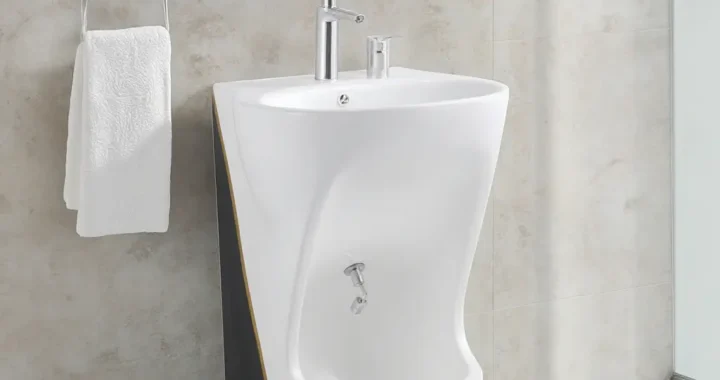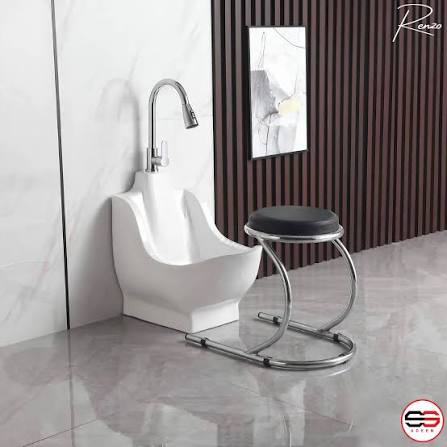
Choosing a wudu basin requires more consideration than simply selecting a fixture that looks attractive. The right basin should support comfortable ablution, fit the available bathroom space, provide effective drainage, and remain easy to clean. Overlooking these factors can lead to installation difficulties, unnecessary expenses, and daily inconvenience.
Before purchasing a Bathroom Wudu Basin, homeowners should evaluate its dimensions, material, mounting style, plumbing requirements, and intended use. Understanding common buying mistakes can help you select a basin that suits your household’s needs and delivers reliable performance over time.
1. Choosing a Basin Without Measuring the Available Space
One of the most common mistakes is purchasing a basin before measuring the intended installation area. Even a well-designed fixture can make a bathroom uncomfortable if it occupies too much space or blocks access to nearby fittings.
Measure the available width, depth, and installation height before comparing models. Include the space required for faucets, plumbing connections, mounting brackets, and any supporting countertop.
Consider the distance between the basin and the toilet, shower, bathroom door, and vanity. Users should be able to approach the fixture and wash comfortably without obstructing the main walking route.
For smaller bathrooms, compact wall-mounted or corner designs may be worth considering. Larger bathrooms offer more flexibility, but the basin should still be proportionate to the room.
2. Selecting the Wrong Basin Size
A basin that is too small may not provide enough room for comfortable washing, while an oversized model can waste space and complicate the bathroom layout.
The correct size depends on the intended washing activities. A basin used primarily for hand and face washing may have different requirements from one designed to accommodate foot washing.
Consider the bowl’s width, depth, and shape rather than relying only on its overall external dimensions. The faucet should also direct water into the bowl effectively to reduce splashing.
Before buying, review the manufacturer’s technical drawing and confirm that the basin can accommodate its intended use. A practical design should balance sufficient washing space with the available floor area.
3. Ignoring the Basin’s Height
Incorrect installation height can make daily ablution uncomfortable. A basin positioned too high may require users to reach awkwardly, while one installed too low can encourage repeated bending.
The appropriate height depends on the fixture’s design, the height of the users, and whether the basin is intended for standing or seated washing.
Countertop basins require particular attention because the final height includes both the supporting surface and the bowl. A raised vessel basin may sit higher than expected when placed on a standard vanity.
Check the manufacturer’s installation recommendations before purchasing. If children, older adults, or people with limited mobility will use the basin, consider their needs when deciding on the final installation height.
4. Choosing a Material Based Only on Appearance
The material affects durability, cleaning requirements, and resistance to everyday wear. Selecting a basin based only on its color or finish can lead to avoidable maintenance problems.
Ceramic and porcelain are popular options because their glazed surfaces are generally easy to clean. Solid-surface materials can offer contemporary styling and integrated designs, while natural stone may provide a distinctive appearance but require more specialized care.
Stainless steel can suit practical or modern interiors, although its finish may show water spots or scratches depending on the product.
Compare the following factors before making a decision:
- Resistance to scratches, stains, and impact.
- Ease of routine cleaning.
- Sensitivity to particular cleaning products.
- Weight and installation requirements.
- Maintenance recommendations and warranty coverage.
The best material is one that suits the bathroom’s appearance while meeting the practical demands of regular ablution.
5. Overlooking Plumbing Requirements
A basin may fit the bathroom perfectly but still be unsuitable if its water supply and drainage connections are difficult to accommodate.
Before purchasing, identify the location of existing water pipes and waste outlets. Check whether the basin requires specific faucet connections, a particular drain assembly, or changes to the existing plumbing.
Wall-mounted models may need additional wall support or adjustments to concealed pipework. Countertop designs may require space inside a vanity for the drain trap and supply lines.
Ask the supplier for installation drawings and technical specifications. A qualified plumber can assess whether the proposed fixture is compatible with the existing system and estimate any necessary modifications.
Planning these details early can help avoid unexpected installation costs.
6. Forgetting About Drainage and Water Splashing
Effective drainage is essential for a basin that will be used regularly. Poorly planned drainage can result in slow water removal, leaks, or recurring blockages.
Check that the drain outlet is compatible with the bathroom’s wastewater system and that the installation can meet applicable plumbing requirements. The basin’s shape and depth should also help contain water during washing.
If foot washing is part of the intended use, consider how much water may reach the surrounding floor. Suitable waterproofing and slip-resistant flooring are important, and a floor drain may be appropriate for a dedicated ablution area.
Do not focus exclusively on the basin itself. Faucet positioning, water flow, floor finishes, and drainage arrangements all contribute to a practical installation.
7. Buying a Basin That Is Difficult to Clean
A basin’s appearance may be appealing at first, but complicated shapes and hard-to-reach areas can make routine cleaning more time-consuming.
Decorative grooves, narrow recesses, and poorly finished joints may collect residue. Countertop installations can also require additional attention around the connection between the bowl and the supporting surface.
For easier maintenance, consider a basin with a smooth finish and a shape that allows convenient access to the bowl and surrounding edges.
Ask the supplier which cleaning products are suitable for the material. Avoid assuming that abrasive pads or strong chemicals are appropriate for every surface.
A straightforward design with clear maintenance instructions can help keep the basin hygienic without unnecessary effort.
8. Selecting the Wrong Mounting Style
The mounting style influences space usage, installation requirements, storage options, and appearance.
Wall-Mounted Basins
Wall-mounted basins are often suitable for compact bathrooms because they preserve floor space and can create a streamlined appearance. However, the wall must provide adequate support, and plumbing connections must align with the fixture.
Countertop Basins
Countertop basins can provide a coordinated appearance and may allow storage beneath the supporting surface. They generally require more space and careful planning of the combined countertop and bowl height.
Corner Basins
Corner models can make use of underutilized areas, particularly in narrow bathrooms. However, the chosen shape must provide enough room for comfortable washing and faucet access.
Compare the installation requirements of each style before making a decision. The most suitable option is the one that fits the bathroom layout and intended use rather than simply following a design trend.
9. Ignoring the Needs of Different Users
A basin that works well for one adult may not be comfortable for every member of the household. Children, older adults, and people with limited mobility may require different heights, clearances, or washing arrangements.
Consider whether users can reach the faucet comfortably, approach the basin safely, and move around the fixture without obstruction.
For people who have difficulty standing, a seated washing arrangement or suitable accessibility features may be helpful. Any support rails should be installed securely for their intended purpose.
If the bathroom is used by multiple people with different needs, discuss the layout with an appropriate professional before finalizing the purchase.
10. Choosing a Basin Without Checking Water Management
Frequent ablution can cause water to splash onto surrounding surfaces, particularly when the basin is used for foot washing.
A basin with an unsuitable shape or faucet position may allow more water to escape than expected. This can create additional cleaning work and increase the risk of slipping.
Check the bowl depth, faucet reach, and expected water flow before buying. The floor and nearby walls should also be suitable for regular moisture exposure.
In dedicated ablution areas, consider whether the layout needs a floor drain or additional waterproofing. These decisions should be made during planning rather than after the fixture has been installed.
11. Focusing Only on the Purchase Price
A low initial price does not necessarily mean that a basin offers the best long-term value. Installation work, plumbing changes, maintenance, and replacement costs can significantly affect the total expense.
For example, a wall-mounted basin may have a relatively simple fixture cost but require wall reinforcement or concealed plumbing modifications. A countertop basin may involve additional expenses for a vanity, countertop, and sealing materials.
Compare the complete installation cost, including:
- Basin and faucet prices.
- Mounting hardware or supporting structures.
- Plumbing materials and labor.
- Countertop or cabinet costs, where applicable.
- Waterproofing and finishing work.
- Expected cleaning and maintenance expenses.
A reliable product that suits the bathroom layout may offer better value than a cheaper model that requires extensive modifications.
12. Neglecting Quality, Warranty, and Supplier Support
The basin’s quality and the support available after purchase can influence its long-term performance.
Before placing an order, review the product specifications and ask about the material, finish, mounting requirements, and warranty conditions. Check whether replacement components are available if the basin, drain assembly, or related fittings need attention later.
It is also useful to confirm the product’s dimensions and installation instructions in writing. Photographs alone may not reveal important details about weight, support requirements, or plumbing compatibility.
Choose a supplier that can provide clear technical information and explain the recommended installation and maintenance procedures.
13. Failing to Plan the Complete Bathroom Layout
A wudu basin should function as part of the bathroom rather than as an isolated fixture. Buying one before considering the entire layout can result in poor access, insufficient clearance, or an awkward visual arrangement.
Plan the basin alongside the toilet, shower, vanity, storage, and bathroom entrance. If the basin is intended for foot washing, include the space required for safe movement and consider how water will be managed on the floor.
Coordinate the basin’s material and finish with surrounding tiles, countertops, and faucets. A consistent design can improve the room’s appearance without adding unnecessary decorative features.
A simple floor plan with accurate measurements can help identify conflicts before installation begins.
14. A Practical Checklist Before Buying a Bathroom Wudu Basin
Before finalizing your purchase, review the following checklist:
- Measure the installation area and nearby clearances.
- Confirm that the basin’s dimensions suit the intended washing activities.
- Check the recommended mounting height.
- Choose a material that matches your cleaning and durability requirements.
- Verify water supply and drainage compatibility.
- Assess faucet placement and splash control.
- Consider waterproofing and slip-resistant flooring.
- Confirm that the basin can be installed securely.
- Review the manufacturer’s installation and maintenance instructions.
- Compare the complete installation cost and warranty coverage.
Completing these checks before purchasing can help prevent unnecessary expenses and improve the usability of the finished bathroom.
Conclusion
Buying the right wudu basin involves balancing dimensions, material quality, mounting style, plumbing requirements, and long-term maintenance. Mistakes such as overlooking measurements, ignoring drainage, or choosing a fixture based only on appearance can make daily ablution less convenient.
By assessing the bathroom layout, considering the needs of its users, and reviewing the manufacturer’s specifications, homeowners can make a more informed decision. A well-chosen basin can provide a comfortable, hygienic, and attractive ablution area that meets the household’s practical needs for years to come.