Choosing the right wudu basin requires careful consideration of comfort, durability, available space, and long-term maintenance. Whether you are installing one in a home bathroom, a dedicated prayer room, or a mosque, the right basin can make daily ablution more convenient while maintaining a clean and functional environment.
Wudu basins come in different sizes, materials, configurations, and price ranges. Understanding these differences before purchasing can help you select a model that meets your practical needs without exceeding your budget.
What Is a Wudu Basin?
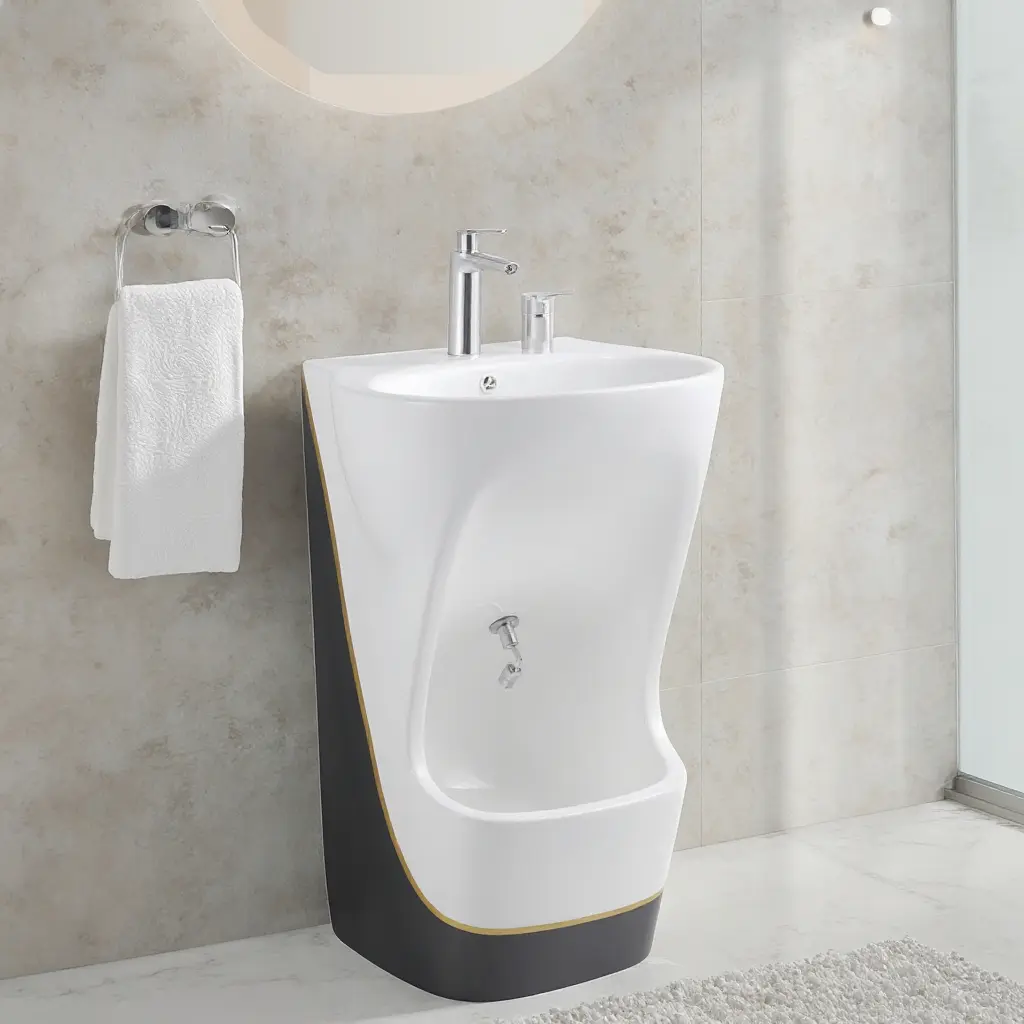
A wudu basin is a washing fixture designed to support the ablution process performed before prayer in Islam. Depending on its design, it may allow users to wash their hands, arms, face, and feet more comfortably than they could with a conventional bathroom sink.
Some models feature a low or specially shaped washing area, while others include dedicated foot-washing sections, integrated seating, or multiple washing positions. The most appropriate design depends on who will use it, the available installation space, and the intended setting.
For households, a compact basin may be sufficient. Mosques and community facilities may benefit from multiple stations or a larger installation that accommodates several users.
Key Features to Consider Before Buying
Before comparing prices, identify the features that will make the basin practical for everyday use.
Basin Size and Dimensions
Size is one of the first factors to evaluate. Measure the available floor or wall space, including the clearance required for users to approach and use the fixture comfortably.
Consider the basin’s width, depth, height, and overall projection from the wall. A large basin may offer greater washing space but can overwhelm a small bathroom. A compact model saves space but should still provide enough room for comfortable use.
For accessible installations, consider the needs of children, older adults, and users with limited mobility. Confirm that the basin height and surrounding clearances suit the intended users.
Ergonomic Design
An ergonomic basin helps users complete ablution without unnecessary bending or awkward positioning. The ideal design depends on whether users will stand, sit, or use a dedicated foot-washing area.
Some wudu basins incorporate seating, foot supports, or shaped bowls. These features can be especially useful in communal facilities, where users have different mobility needs.
Before buying, check the dimensions and intended posture rather than relying on appearance alone.
Water Flow and Drainage
Efficient water flow helps users wash comfortably while limiting unnecessary splashing. Look for a basin design that works with suitable faucets and provides effective drainage.
Check the drain outlet size, plumbing compatibility, overflow provisions if applicable, and the availability of replacement components. A basin that drains poorly can create maintenance problems and leave standing water around the washing area.
Installation Requirements
Wudu basins may be wall-mounted, floor-standing, countertop-installed, or supplied as integrated units. Each option has different installation requirements.
Wall-mounted models can make floor cleaning easier, but the wall must provide suitable structural support. Floor-standing units may require more floor space, while integrated systems can involve additional plumbing and installation work.
Confirm the installation instructions and consult a qualified plumber or installer before purchasing if the project involves new pipework or structural changes.
Choosing the Right Wudu Basin Material
Material affects the basin’s appearance, durability, cleaning requirements, and overall cost. Compare the available options based on your intended use and maintenance preferences.
Ceramic and Porcelain
Ceramic and porcelain basins are popular because their glazed surfaces are generally easy to clean and resistant to everyday staining when properly maintained.
They are suitable for many residential bathrooms and some commercial settings. However, a strong impact can chip or crack the surface, and damaged glaze may be difficult to repair invisibly.
These materials are worth considering if you want a familiar bathroom finish and straightforward routine cleaning.
Solid Surface
Solid surface materials are used in contemporary bathroom fixtures because they can provide smooth finishes and a modern appearance. Depending on the product, they may also support integrated shapes and seamless-looking designs.
Some solid surface materials can be refinished to address minor scratches, but repairability and chemical resistance vary by formulation. Ask the supplier about the specific material composition, care requirements, and warranty coverage.
For buyers comparing modern Wudu Basin designs, solid surface options may be worth evaluating alongside ceramic and porcelain alternatives.
Comparing Wudu Basin Installation Types
The installation style affects space usage, accessibility, plumbing work, and total project cost.
| Installation Type | Main Advantages | Considerations |
|---|---|---|
| Wall-mounted | Frees floor space and simplifies floor cleaning | Requires suitable wall support and secure mounting |
| Floor-standing | Can provide a stable, substantial installation | Uses more floor space and may complicate floor cleaning |
| Countertop-mounted | Offers flexibility in bathroom design | Requires a compatible counter and careful sealing |
| Integrated ablution unit | May include specialized washing features | Can cost more and require more involved installation |
Choose the configuration that suits your room layout and users. A visually attractive installation is not necessarily the most practical if it makes cleaning, access, or plumbing maintenance difficult.
Understanding Wudu Basin Cost Factors
The price of a wudu basin depends on more than its size. Material, design complexity, manufacturing quality, and installation requirements all influence the final cost.
Material and Manufacturing Quality
Basic ceramic models may cost less than specialized solid surface or natural stone units. Custom dimensions, unusual shapes, integrated seating, and multiple washing positions can increase manufacturing costs.
Look beyond the initial price and check the product specifications. Material thickness, surface quality, fitting compatibility, and documented quality standards can help you assess whether a basin represents good value.
Size and Design Complexity
Larger basins generally require more material and may involve more complicated installation. Integrated foot-washing sections, custom drainage arrangements, and multiple-user designs can also raise the price.
For a small home, a simpler model may provide all the functionality required. A mosque or high-traffic facility may justify a larger or more specialized system.
Plumbing and Installation Costs
Installation expenses can vary substantially depending on the existing bathroom layout. Replacing an existing fixture may require relatively limited work, while a new ablution area may need water supply lines, drainage, waterproofing, wall reinforcement, and floor modifications.
Request an installation estimate before committing to a purchase. This helps you compare the total project cost rather than just the listed basin price.
Shipping and Customization
Large or heavy fixtures may incur higher shipping and handling charges. Imported products may also involve customs duties, taxes, and longer delivery times, depending on the destination.
Custom colors, dimensions, finishes, or branding may increase the price and production lead time. Confirm these details in writing before placing an order.
Maintenance and Replacement Parts
A low purchase price does not always mean the lowest long-term cost. Consider how easily the basin can be cleaned, whether replacement drains and fittings are available, and whether repairs are practical.
A durable product with accessible replacement parts may provide better value over time than a cheaper model that is difficult to maintain.
How to Set a Realistic Buying Budget
Before contacting suppliers, divide your budget into the main project expenses.
- Basin purchase: The fixture itself, including any optional accessories.
- Plumbing and installation: Labor, pipework, fittings, mounting hardware, and drainage modifications.
- Delivery and handling: Transportation, packaging, and any applicable import charges.
- Finishing work: Countertops, wall repairs, waterproofing, or floor adjustments.
- Ongoing maintenance: Cleaning products, replacement components, and occasional professional servicing.
Ask suppliers for an itemized quotation that specifies the model, material, dimensions, included accessories, warranty, delivery terms, and payment conditions.
When comparing quotations, make sure the products offer similar features and specifications. This prevents a lower-priced but less complete package from appearing more economical than it really is.
Questions to Ask a Wudu Basin Supplier
A reliable supplier should be able to explain the product’s specifications and help you determine whether it suits your installation.
Consider asking:
- What material is the basin made from, and how should it be maintained?
- What are the exact dimensions and weight?
- Which mounting methods and plumbing connections are required?
- Are faucets, drains, and installation accessories included?
- Is the basin suitable for residential or high-traffic commercial use?
- What warranty applies to the basin and its fittings?
- Are replacement parts and after-sales support available?
- What are the delivery time, shipping costs, and return conditions?
- Can the supplier provide installation guidance or technical documentation?
Clear answers help reduce uncertainty and make it easier to evaluate competing products.
Common Buying Mistakes to Avoid
One frequent mistake is choosing a basin based only on its appearance. A stylish design may not provide sufficient space for comfortable ablution or may require costly plumbing modifications.
Another mistake is failing to measure the installation area. Always account for the basin’s full dimensions, user access, nearby doors, and the location of existing pipes.
Buyers should also avoid assuming that every material can be cleaned with the same products. Confirm the manufacturer’s care instructions to prevent damage to the finish.
Finally, do not overlook warranty conditions and replacement-part availability. These details can make a significant difference if the basin needs servicing later.
Final Checklist Before Purchasing
Use this checklist to review your options before placing an order:
- Confirm the intended users and installation location.
- Measure the available space and required clearances.
- Compare materials based on durability and cleaning needs.
- Check water supply, drainage, and mounting compatibility.
- Review accessibility and ergonomic features.
- Request a quotation that includes delivery and installation expenses.
- Verify warranty coverage and replacement-part availability.
- Read the manufacturer’s installation and maintenance instructions.
Conclusion
Buying the right wudu basin involves balancing comfort, functionality, material quality, and overall cost. Start by measuring your space and identifying the needs of the people who will use the basin. Then compare installation types, materials, drainage features, and supplier support.
Remember to evaluate the full cost of ownership, including plumbing, installation, delivery, and maintenance. By reviewing these factors before purchasing, you can select a wudu basin that supports comfortable daily ablution and remains practical for years of use.