Single-use packaging is designed to provide a predetermined quantity of a product in a convenient format. It can be particularly useful when products need to be measured accurately, handled efficiently, or released into water without opening a conventional package.
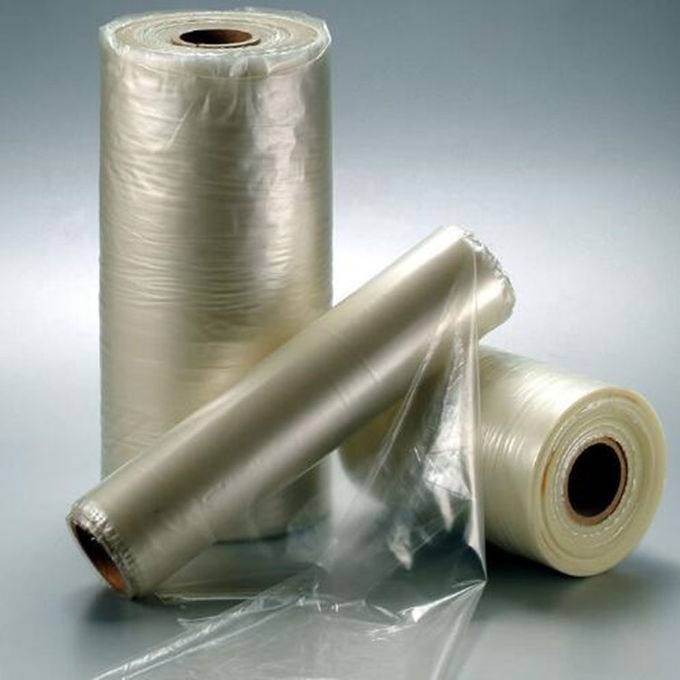
PVA Water Soluble Film provides a dissolvable packaging option for various single-use applications. POLYVA is involved in PVA film solutions where controlled dissolution, portioning, and packaging performance are important considerations.
What Is PVA Water Soluble Film?
PVA, or polyvinyl alcohol, is a polymer that can be processed into films with water-soluble characteristics. Depending on its formulation and intended application, the film can offer properties such as flexibility, mechanical strength, and controlled dissolution.
When exposed to suitable water conditions, the film gradually hydrates and dissolves. This allows it to function as a temporary package for products that are intended to be released into water.
How Single-Use Packaging Works
A single-use package contains a specific quantity of a product inside a sealed film pouch or sachet. The user does not need to open the pouch or manually measure its contents.
Instead, the complete package can be introduced into the intended environment. When the film encounters water under suitable conditions, it dissolves and releases the product.
This approach combines product portioning with a packaging material designed to disappear during use.
Benefits of Single-Use Packaging
Single-use soluble packaging can provide several practical advantages for manufacturers and end users.
Pre-Measured Quantities
Each pouch can contain a controlled amount of product. This can reduce variations that may occur when users measure powders or liquids manually.
Consistent portions can be useful for products where the quantity added to water affects the final concentration or performance.
Simplified Handling
Users can handle the complete package instead of directly scooping, pouring, or measuring the contents.
This can make certain product preparation processes more straightforward, particularly when many individual doses need to be used during routine operations.
Reduced Direct Contact
A sealed soluble pouch can limit direct contact with the packaged formulation before use. This can be useful for concentrated cleaning products, agricultural formulations, and selected industrial chemicals.
Appropriate handling and safety procedures are still necessary for products that require them.
Applications in Laundry Products
Laundry products are a major example of single-use soluble packaging. Detergent formulations can be enclosed in individual pouches designed to dissolve during a washing cycle.
The user places the complete dose into the washing machine, eliminating the need to measure detergent manually.
Dissolution During Washing
Laundry applications can involve different water temperatures, agitation levels, and washing cycles. The film must therefore be selected according to the expected operating conditions.
Testing can help determine whether the pouch dissolves within the desired stage of the wash cycle.
Automatic Dishwashing Applications
Single-use packaging can also be used for automatic dishwashing products. Individual portions can contain the required amount of detergent or cleaning formulation.
The film needs to be compatible with the formulation and capable of dissolving under the temperature and water conditions found during the dishwasher cycle.
Agricultural Applications
Agricultural products can require precise quantities during dilution and preparation. Soluble pouches can contain predetermined portions that are added directly to water.
This format can simplify preparation while reducing the need to manually handle concentrated formulations.
Formulation Compatibility
Agricultural products can contain active ingredients, additives, or other substances that may interact with packaging materials.
Compatibility testing is therefore important before selecting a film for a specific formulation. The film should maintain suitable properties during storage while dissolving appropriately during application.
Industrial Chemical Applications
Single-use soluble pouches can also be considered for selected industrial chemicals. Portion-controlled packaging can help simplify processes that require a defined quantity of a formulation.
The film formulation, thickness, package size, and seal construction can be selected according to the chemical and operating environment.
Construction and Specialty Products
Certain dry construction additives and specialty powders can be supplied in pre-measured soluble packages. The pouch can be introduced into a mixing process where the film dissolves and releases the contents.
This can reduce manual weighing and help standardize the quantity added during each batch.
Factors That Affect Film Performance
The performance of a single-use pouch depends on multiple factors. These include:
- Film formulation
- Film thickness
- Water temperature
- Water movement
- Water chemistry
- Product formulation
- Package dimensions
- Seal strength
- Storage conditions
- Required dissolution time
These variables should be considered together when developing a new single-use package.
Choosing the Appropriate Film Thickness
Film thickness affects both package strength and dissolution characteristics. A film needs to be strong enough to withstand manufacturing, transportation, and handling but still dissolve effectively during use.
The appropriate thickness depends on the product, pouch dimensions, filling process, and desired dissolution profile.
Packaging Equipment Requirements
Single-use soluble pouches are commonly produced using specialized packaging equipment. The film must feed consistently through the machine and form reliable pouches.
Filling accuracy and sealing quality are also important. Poorly controlled sealing or filling processes can result in leakage, inconsistent package weights, or premature package failure.
Storage and Shelf Life
PVA films are sensitive to environmental moisture, so storage conditions can affect their physical properties. Finished packages should be protected from excessive humidity and direct water exposure.
Manufacturers should follow the storage recommendations associated with the specific film formulation and finished product.
Shelf-life testing can also help determine how the package performs after extended storage under defined conditions.
Testing Single-Use Packages
Testing provides important information about whether a soluble package is suitable for its intended application.
Manufacturers may evaluate:
- Dissolution time
- Film strength
- Seal integrity
- Package leakage
- Product-film compatibility
- Storage stability
- Filling accuracy
- Machine performance
Testing under realistic conditions can help identify potential issues before commercial production.
Designing for Different Dissolution Requirements
Not every single-use application requires the same dissolution profile. Some packages may need to dissolve rapidly, while others may be designed for gradual release during a longer process.
Temperature, agitation, film formulation, and thickness can all be adjusted or evaluated to achieve the desired behavior.
Environmental and Handling Considerations
Single-use packaging can reduce the need for conventional inner containers in some applications. However, the environmental characteristics of the complete packaging system depend on the film formulation, product, manufacturing process, and disposal or wastewater conditions.
Manufacturers should evaluate the complete lifecycle and applicable requirements rather than considering water solubility alone.
Conclusion
PVA water soluble film provides a practical material option for single-use product packaging where predetermined quantities and water-based release are desirable. Its ability to dissolve under suitable conditions makes it suitable for applications ranging from laundry and dishwashing products to agricultural and industrial formulations.
Successful single-use packaging requires more than selecting a dissolvable film. Film formulation, thickness, product compatibility, package design, storage, equipment, and dissolution conditions all need to be evaluated together. With appropriate testing and process control, PVA film can support consistent and convenient single-use packaging formats.