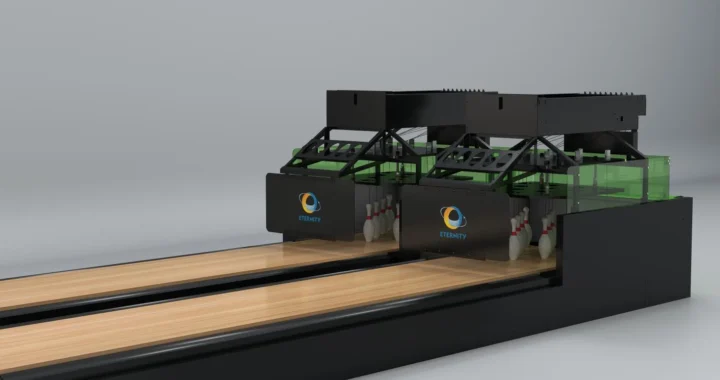
Renovating an existing bowling alley requires careful planning because the project must work within an established building, existing lane layout, and often-used equipment infrastructure. Replacing or upgrading bowling lanes can therefore involve considerably more than installing new surface materials.
Working with a Synthetic Bowling Lane Manufacturer can give renovation teams access to technical information about lane construction, site requirements, installation procedures, and component compatibility. Early coordination helps determine which parts of an existing bowling installation can remain and which areas need modification.
Assessing the Existing Bowling Alley
The first step in a renovation is understanding the current condition of the facility.
The existing lanes, approaches, gutters, pin decks, subfloor, equipment, and surrounding structures should be inspected before a replacement plan is finalized.
This assessment can identify problems that may affect the new installation.
Determining the Renovation Scope
Not every renovation requires complete replacement.
Depending on the condition of the facility, the project may involve replacing lane surfaces, upgrading approaches, modifying equipment areas, or installing an entirely new lane system.
Defining the scope early helps establish realistic costs and scheduling requirements.
Evaluating Existing Lane Dimensions
Existing bowling centers may have been constructed according to older specifications or modified during previous renovations.
Before new synthetic components are ordered, project teams should verify the actual dimensions and layout of the existing installation.
Accurate measurements help manufacturers determine compatibility and identify necessary adjustments.
Inspecting the Subfloor
The condition of the supporting surface is especially important during lane replacement.
An existing subfloor may have developed uneven areas, damage, moisture problems, or other conditions over years of use. A synthetic lane installation should not simply cover an unsuitable foundation.
Manufacturers can provide requirements for preparing the substrate before installation.
Reviewing Existing Equipment
Renovation projects often involve equipment that is intended to remain in service.
Pinsetters, string pinsetters, ball returns, scoring equipment, and other systems need to be reviewed for compatibility with the proposed lane installation.
Providing equipment specifications to the lane manufacturer can help identify potential interface issues.
Coordinating With Pinsetter Systems
Pinsetter technology influences the design of the area around the pin deck.
A renovation involving string pinsetters may have different requirements from one retaining conventional pinsetting equipment. The manufacturer and equipment installer should coordinate these requirements before work begins.
Planning Lane Removal
Removing existing lanes can require careful sequencing.
The renovation team needs to determine how old materials will be dismantled, transported out of the facility, and disposed of or stored.
Work should be planned to protect surrounding equipment and building structures.
Preparing the Installation Area
Once existing components have been removed, the installation area can be evaluated more thoroughly.
The project team may need to repair the substrate, remove old adhesives, correct uneven areas, address moisture concerns, or make other necessary preparations.
Proper preparation can provide a more suitable foundation for the new lane system.
Installing New Synthetic Lane Components
Synthetic lane systems are installed according to the manufacturer’s construction and installation requirements.
Components need to be positioned accurately and joined using approved procedures. Alignment should be checked throughout the installation rather than relying only on the finished appearance.
Managing Lane Alignment
Renovation projects can present additional alignment challenges.
Existing walls, structural elements, equipment positions, and previous construction work may influence the available installation space. Accurate reference measurements can help installers position the new system correctly.
Replacing or Updating Approaches
The approach area may need attention during a lane renovation.
If the existing approach has significant wear or does not meet the requirements of the new lane system, replacement may be appropriate. The approach must be coordinated with the lane and foul line.
Reviewing Gutters and Edges
Gutters and lane edges should be inspected as part of the renovation.
Damaged or incompatible components may need replacement. Their dimensions and positioning should correspond with the new synthetic lane system.
Updating Lane Markings
A renovation provides an opportunity to review the condition and appearance of lane markings.
Manufacturers can provide specifications for markings and their placement. Any customization should be confirmed before production so that it meets the requirements of the proposed lane system.
Coordinating Ball Returns
Existing ball returns may be retained, replaced, or repositioned.
Their relationship with the renovated lanes should be reviewed before installation. Changes to lane spacing or surrounding furniture can also affect the ball return layout.
Considering Customer Experience
Technical work is only one part of a bowling alley renovation.
The project team may also need to consider how lane replacement affects seating, player circulation, lighting, scoring displays, and other customer-facing elements.
Good coordination can help the renovated bowling area function as a unified environment.
Planning Renovation Around Operating Hours
An existing bowling center may need to remain partially operational during construction.
In such situations, lane replacement can be divided into phases. Manufacturers and installers can work with facility managers to establish a sequence that matches the available construction windows.
The exact approach depends on the size and layout of the facility.
Managing Delivery and Storage
Renovation sites often have limited space for incoming materials.
Synthetic lane components should be delivered according to an agreed schedule and stored according to manufacturer instructions. Proper handling can help prevent damage before installation.
Reviewing Environmental Conditions
The installation environment can affect certain construction materials.
Temperature, humidity, and moisture conditions should be reviewed before and during installation. Manufacturers may specify acceptable conditions and storage procedures for their products.
Quality Checks During Installation
Renovation teams should inspect the installation as work progresses.
Useful checks can include:
- Lane alignment
- Component dimensions
- Joint condition
- Surface condition
- Gutter positioning
- Approach alignment
- Pin deck positioning
- Equipment interfaces
Addressing discrepancies during installation is generally easier than correcting them after the entire renovation is complete.
Testing the Completed System
After installation, the lane system and related equipment should be checked before reopening the renovated area.
The project team can verify that lanes, approaches, gutters, pinsetters, ball returns, and scoring equipment operate as intended.
Any identified issues should be documented and addressed before final handover.
Planning for Future Maintenance
A renovation should also consider what happens after the project is complete.
Operators should receive information about cleaning, inspection, repairs, and approved maintenance procedures. Manufacturer documentation can provide a useful reference for staff.
Replacement Parts and Technical Support
Future maintenance may require replacement components.
Before selecting a manufacturer, renovation teams should ask about the availability of replacement parts, technical support, maintenance guidance, and service procedures.
This information can be particularly valuable for facilities expecting many years of continued operation.
Documenting the Renovation
Keeping accurate renovation records can simplify future maintenance.
Useful documents may include updated lane drawings, product specifications, installation records, equipment information, maintenance instructions, and photographs of concealed installation areas.
These records can help future contractors understand what was installed.
Questions to Ask During a Renovation Project
Before beginning lane replacement, bowling center owners can ask:
- Can the existing lane structure support the proposed renovation?
- What site measurements are required?
- What condition should the subfloor be in?
- Can existing pinsetters remain in place?
- Are current ball returns compatible?
- Which lane components need replacement?
- How should existing lanes be removed?
- What are the installation requirements?
- What quality checks are performed after installation?
- What maintenance and technical support are available afterward?
Clear answers can help the renovation team establish a practical project plan.
Conclusion
Synthetic lane manufacturers can contribute to bowling alley renovations by providing technical specifications, site requirements, installation guidance, equipment coordination, and maintenance information. Their involvement can begin with evaluating existing conditions and continue through delivery, installation, testing, and post-renovation support.
For facility owners, the key is to treat lane replacement as part of a complete renovation plan rather than as an isolated flooring project. Careful measurements, subfloor preparation, equipment coordination, installation control, and future maintenance planning can help create a smoother transition to a renovated bowling environment.