Bowling lanes can differ in design, construction, surface characteristics, usage levels, and technical requirements. Equipment must therefore be developed with the specific lane environment in mind to ensure that different components can operate together effectively.
A Bowling Equipment Manufacturer may consider lane dimensions, surface materials, mechanical systems, facility usage, and maintenance requirements when developing equipment. Understanding these factors helps facility operators choose products that are compatible with their particular bowling environment.
Understanding Lane Dimensions
Lane dimensions provide the foundation for equipment design and installation. Components such as ball returns, pinsetting systems, scoring equipment, and lane accessories need to fit within the available space.
Manufacturers use defined measurements and technical specifications to develop equipment that can be installed correctly. Accurate dimensions also help ensure adequate clearance for players, maintenance staff, and mechanical components.
Accounting for Lane Surface Materials
Bowling lanes can use different surface materials, including traditional wood and modern synthetic systems. Each surface can have different characteristics related to friction, wear, maintenance, and installation.
Manufacturers need to understand how equipment will interact with the lane surface. Components positioned near or connected to the lane should be designed to accommodate the relevant construction and maintenance requirements.
Designing for Different Usage Levels
A recreational facility with moderate traffic may have different equipment requirements from a busy commercial bowling center. High-use environments can place greater demands on mechanical components and lane-related equipment.
Manufacturers can account for expected usage when selecting materials and designing components. Equipment intended for frequent operation may require greater attention to durability, wear resistance, and maintenance accessibility.
Adapting Pinsetter Systems
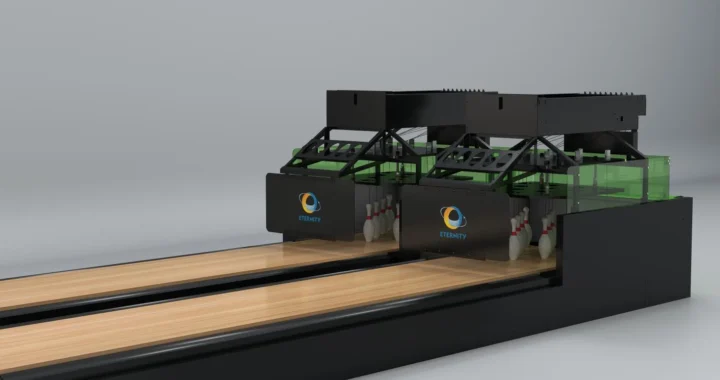
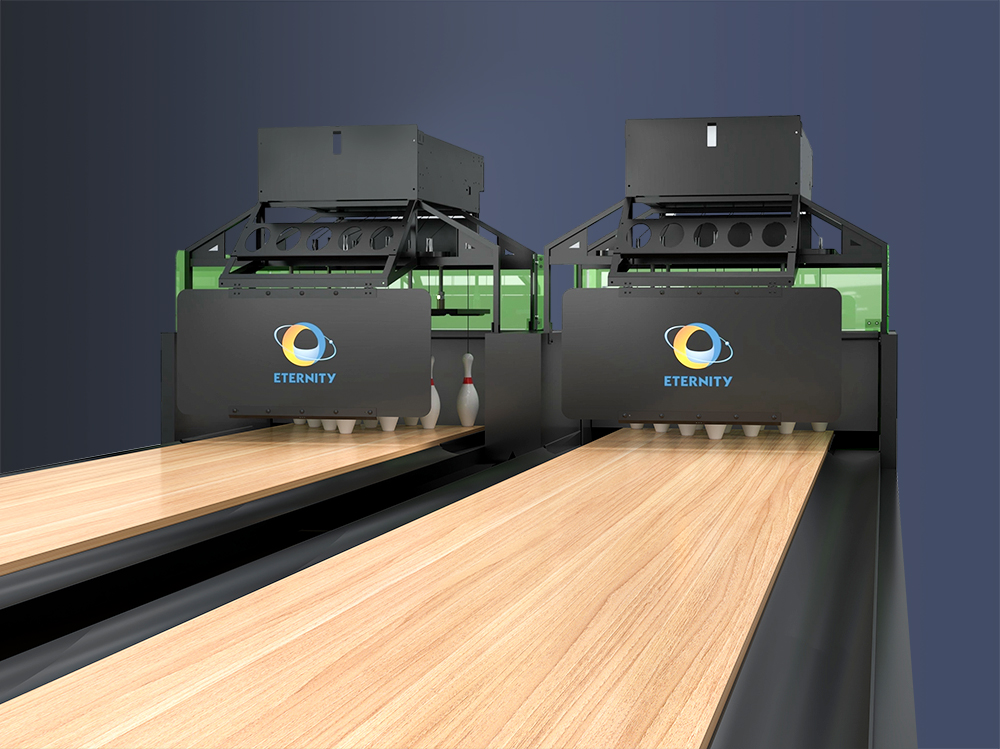
Pinsetting equipment must operate in coordination with the lane and pin placement area. Different pinsetter configurations can have specific space, mechanical, electrical, and maintenance requirements.
Manufacturers consider these requirements during design and installation planning. Proper alignment is particularly important because mechanical components need to operate consistently within the available lane configuration.
Developing Compatible Ball Return Systems
Ball return systems need to move bowling balls efficiently while fitting within the lane layout. Their design can depend on the number of lanes, available space, return path, and facility configuration.
Manufacturers may develop different configurations to accommodate variations in facility layouts. Installation requirements and access for maintenance should also be considered when selecting a system.
Integrating Scoring Technology
Digital scoring equipment needs to communicate with lane-related systems and other facility technology. Sensors, displays, control units, and software may all need to work together.
Manufacturers consider factors such as lane configuration, communication requirements, power connections, and software compatibility when developing scoring solutions.
Considering Lane Maintenance Requirements
Lane surfaces require regular cleaning, conditioning, inspection, and maintenance. Equipment installed around the lane should not interfere with these activities.
Manufacturers can consider maintenance access during product development. Components that can be inspected, adjusted, or replaced without extensive disassembly may simplify routine servicing.
Designing for Different Facility Layouts
Not every bowling center has the same floor plan. Some facilities may have limited space, unusual structural features, or additional entertainment areas near the lanes.
Equipment may therefore need to accommodate different installation conditions. Manufacturers can use technical drawings and site information to determine whether standard equipment is appropriate or whether modifications are necessary.
Using Precision Engineering
Accurate engineering is important when equipment must align with a bowling lane and related systems. Computer-aided design and precision manufacturing can help maintain consistent dimensions and tolerances.
Manufacturers may also use digital modeling to review component placement before production. This can help identify potential interference or installation problems during the planning stage.
Testing Equipment Under Relevant Conditions
Testing allows manufacturers to evaluate whether equipment performs according to its intended specifications. Depending on the product, testing may involve mechanical operation, alignment, load conditions, repeated cycles, or electronic communication.
Testing procedures should reflect the expected operating environment as closely as practical. Results can also help manufacturers identify areas for design improvement.
Supporting Lane Renovation Projects
Equipment development is not limited to new bowling centers. Existing facilities may require lane resurfacing, equipment replacement, scoring upgrades, or mechanical modernization.
Manufacturers can consider compatibility with existing infrastructure when developing replacement products. Accurate measurements and technical assessments are especially important during renovation projects.
Considering Safety and Accessibility
Equipment must be installed in a way that supports safe operation and allows appropriate access for maintenance. Manufacturers consider moving components, electrical systems, structural stability, and service access when developing equipment.
Facility operators should also review applicable safety and accessibility requirements for their location and type of facility.
Evaluating Equipment for Specific Lane Requirements
When selecting equipment, facility operators should provide manufacturers with detailed information about their lanes and operating environment. Useful information may include:
- Lane dimensions and construction
- Surface material
- Number of lanes
- Expected usage
- Existing mechanical systems
- Scoring technology
- Available installation space
- Maintenance requirements
This information can help determine whether standard equipment is suitable or whether a customized configuration may be required.
Final Thoughts
Developing bowling equipment for different lane requirements involves careful consideration of dimensions, materials, usage levels, mechanical systems, digital technology, maintenance, and facility layout.
Manufacturers use engineering, material selection, precision production, and testing to create equipment that can work within different bowling environments. For facility operators, understanding these factors can make it easier to assess compatibility and select equipment suited to the specific characteristics of their lanes.